
It might seem counterintuitive since exercising clearly gets your blood pumping, but regular exercise actually serves to lower your blood pressure overall. But how does exercise lower blood pressure?
Learn more about the connection between exercise and blood pressure and explore what type of exercises lower your blood pressure so you can find the best solution for you.
How Exercise Affects Blood Pressure
You probably know that 120/80 is the ideal blood pressure reading, but what does it mean? Systolic blood pressure (SBP) is the top number of a blood pressure reading, and it measures blood pressure as your heart beats. Diastolic blood pressure (DBP) is the bottom number and measures blood pressure during the resting phase between heartbeats.
When looking at how exercise impacts blood pressure, it’s important to look at two different things:
- How does exercise affect blood pressure while exercising?
- How does regular exercise impact blood pressure in the long term?
The short-term and long-term impacts have different meanings for your health, so it’s important to separate the two.
Blood Pressure Impacts While Exercising
During exercise, your heart beats faster and harder to increase your blood flow and supply your muscles with oxygen-rich blood. This causes your blood pressure and your pulse to rise temporarily during exercise. Your blood vessels expand to allow for the increase in circulation, which increases your systolic blood pressure (the top number). However, your diastolic blood pressure (the bottom number) stays roughly the same.
Your systolic blood pressure will return to normal after exercise, typically within about 6-10 minutes afterwards. In fact, you may even experience slightly lower than baseline blood pressure after exercising for several hours. If your SBP stays elevated for hours after exercise, it may be due to your age and exercise intensity, or it could be a reflection of your cardiovascular fitness. If that happens, talk to your doctor to see if there are any concerns beyond the need for regular exercise.
Blood Pressure Impacts With Regular Exercise
How does exercise lower blood pressure in the long term? After one to three months of exercising regularly, your blood pressure will decrease and stay lower than it was throughout the day, regardless of whether you’ve just exercised or not. That’s because regular exercise strengthens the heart and helps it pump blood more efficiently.
Additionally, your blood vessels become more flexible with regular exercise, improving circulation. These benefits last as long as you continue to exercise regularly and stick to a routine, but will dissipate if you stop.
The Connection Between Heart Strength and Circulation
Exercise offers a lot of health benefits, including strengthening your heart muscles and improving blood vessel function and circulation over time. With regular exercise, you increase the size of your heart’s chambers and strengthen its muscles, conditioning your heart and allowing it to pump blood more efficiently and relax more easily.
Exercise also encourages your blood vessels to become more flexible by increasing the circulation of your blood by about 25% and causing your vessels to expand with the help of increased nitric oxide. It also improves the function of the lining of your blood vessels, further supporting more relaxed arteries.
So, how does exercise lower blood pressure? Together, a stronger heart and stronger, more flexible blood vessels equal a stronger and more resilient cardiovascular system. The result is a body that handles stress better, has a significantly lower risk of heart disease due to lower heart rate and blood pressure, better oxygen consumption, and is stronger all around.
Best Types of Exercise to Lower Blood Pressure
Does exercise lower blood pressure if you’re only doing low-impact exercise? What about only running? Or maybe you prefer just hiking for a couple of hours every weekend. Will exercise lower blood pressure if you’re just sticking to what you enjoy?
The good news is that any amount of exercise is going to help. For the greatest benefits, experts recommend you aim for 150 minutes of moderate-intensity exercise, or 75 minutes of vigorous aerobic exercise, per week, or a comparable combination of the two. Ideally, you’ll also include at least 10-15 minutes of strength training twice per week. That said, aerobic exercise, isometric exercise, and other types of strength training have all been shown to help lower blood pressure.
Aerobic Exercises
Aerobic exercise, sometimes called cardio, is exercise that uses the large muscle groups in your body and is rhythmic, repetitive, and sustained, causing you to breathe harder. Aerobic exercise can be light, moderate, or vigorous, depending on the intensity of the workout for you. Some examples include:
- Walking: Moderate intensity = walking on a level surface at about 2.5-4.5 miles per hour; vigorous intensity = walking 4.5 miles per hour on a level surface, or briskly walking uphill.
- Cycling: Moderate intensity = biking on level terrain at 5-10 miles per hour; vigorous intensity = biking 10 miles per hour or faster, or biking up hills.
- Dancing: Moderate intensity = ballroom dancing; vigorous intensity = energetic, bouncy dancing.
- Swimming: Moderate intensity = recreational swimming; vigorous intensity = swimming laps.
- Yard work: Moderate activity = weeding and raking leaves; vigorous intensity = chopping wood or shoveling snow.
The intensity of an exercise will vary for you depending on your current level of fitness and comfort with the type of exercise. Here’s a good rule of thumb for measuring the intensity of a workout for you. Moderate intensity exercise allows you to talk while participating in the activity, but not sing. Vigorous intensity exercise does not allow you to speak more than a few words without having to take a breath.
Isometric Exercise
Isometric exercises are a type of strength training in which your muscles are contracted without any significant movement of the joints. These can be especially beneficial for people who need low-impact exercises or for people who struggle with more vigorous aerobic exercise. Examples can include:
- Yoga: Choose a yoga class in which you hold poses for a set amount of time.
- Wall squats: Lean your back and shoulders against a wall, squat down, and hold.
- Glute bridges: Lift your pelvis into a bridge and hold it to strengthen legs and glutes.
- Hand grips: Hold a firm ball or gripper and squeeze as hard as possible for 10-15 seconds; repeat three or four times.
- Dead hangs: Hang from a pull-up bar for as long as possible to strengthen your arms.
Isometric exercises not only improve strength, but they also improve stability and endurance.
Other Strength Training
Strength training strengthens your muscles and improves bone health and stability. Incorporating strength training twice per week benefits overall strength. Examples can include:
- Weight training: Any type of weight training, including kettle bells, free weights, weighted ropes, medicine balls, resistance bands, and weight machines, will work.
- Exercises using body weight: These can include Pilates, push-ups, squats, and certain types of yoga like Ashtanga or Iyengar.
- Explosive strength training: This could include power or Olympic lifting, jump training, burpees, and more.
Strength training is also important for helping you avoid falls or injuries when doing things like moving furniture or carrying heavy bags of groceries.
How Often You Should Work Out for Lasting Results
Can exercise lower blood pressure even if you don’t exercise every single day? Absolutely. The best type of exercise for high blood pressure is the exercise that you’ll actually do, and do regularly. If any amount of exercise sounds daunting, start small. It’s not necessarily about exact frequency or duration. Instead, it’s about exercising regularly and getting enough time in over the course of the week.
There are a couple of different metrics you can use to ensure that you’re getting enough exercise to lower blood pressure and keep it down. Let your preferred measurement guide how long you work out and how many exercises you do per workout.
Daily Exercise
If you want to track daily exercise, 20-30 minutes of moderate exercise per day will allow you to reach the recommended total. If that’s still intimidating, start with just 5 minutes of exercise per day at first. Any increase in activity helps! Start with a walk up the street, and slowly increase to the whole block.
Weekly Exercise
How can exercise lower blood pressure if you’re only tracking your exercise by week? If you prefer to go to exercise classes or spend your weekends on some kind of aerobic activity like tennis or rock climbing, this might be a better way to track your progress. Two classes lasting an hour and a half will fulfill your quota, or even one super-intensive boxing class. Just try adding in other smaller movements throughout the week, like a short walk, a quick plank session, or a dead hang at the park with your kids.
Daily Habits That Support Blood Pressure
Will exercise lower blood pressure? Yes! But only if you do it, so that’s the biggest priority. Start where you are with a goal you can achieve. If you need help getting started or deciding what type of exercise is best for you and your current fitness level, consider talking to a coach. They’ll walk you through your best options and help you every step of the way. Whether you need encouragement, help with goal-setting, or guidance on a particular type of exercise, they’re trained to support you in the best possible way.
We all know that exercise has a variety of benefits for your health and well-being, but sometimes it feels like “get more exercise” is the solution offered to nearly every problem. Folks struggling with high cholesterol are sure to hear this advice and wonder, “Does exercise lower cholesterol? And if so, how?”
Exercise really is that impactful for your health, which is why it’s essential to learn why it’s so beneficial for you in the long run.
How Exercise Affects Cholesterol Levels
Before understanding how exercise impacts your cholesterol, it’s helpful to understand how cholesterol functions in your body and how it’s measured.
What Do Doctors Look at When Checking Cholesterol Levels?
When you get your cholesterol checked, you’re most often getting a lipid panel. This blood test measures several components in your blood, including:
- Total cholesterol
- Low-density lipoprotein (LDL)
- High-density lipoprotein (HDL)
- Triglycerides
While total cholesterol is helpful, LDL and HDL matter most. LDL is considered “bad” cholesterol because it carries cholesterol to your tissues. HDL is “good” cholesterol because it helps remove LDL from the bloodstream.
Triglycerides, while not cholesterol, are also important. They store and transport energy. High triglycerides combined with high LDL or low HDL significantly increase the risk of heart disease.
Can Exercise Lower Cholesterol?
Yes! But not always in the way people expect.
Exercise does not usually lower LDL directly. Instead, it increases HDL—the cholesterol responsible for carrying LDL to the liver for removal. Higher HDL helps lower LDL indirectly, which improves heart health and reduces the risk of cardiovascular disease.
To understand why that matters, let’s look more closely at HDL and LDL.
The Role of HDL and LDL in Heart Health
Because LDL carries cholesterol to your tissues, high levels can lead to plaque buildup in your arteries. Over time, this causes hardening and narrowing of the arteries, increasing your risk of stroke, heart attack, and cardiovascular disease. LDL can also build up in the cells that line blood vessels and the lymphatic system, causing inflammation and vascular dysfunction.
HDL does the opposite. It transports LDL to the liver, where LDL is broken down and removed. Higher HDL levels are associated with:
- Lower LDL
- Reduced plaque buildup
- Improved vascular function
- Lower risk of heart disease
Research increasingly shows that optimal levels of all three lipids—HDL, LDL, and triglycerides—offer the best protection against cardiovascular disease.
Best Types of Exercise to Lower Cholesterol
Exercise can lower cholesterol, but some types work better than others. Aerobic exercise is most effective for increasing HDL and lowering LDL. Repetitive, full-body aerobic movements elevate the heart rate and boost lipid metabolism.
Great options include:
- Brisk walking
- Jogging or running
- Cycling
- Swimming
- Yoga or barre
- Dance classes
- Pilates
- HIIT workouts
Strength training also plays an essential role. It increases HDL and lowers triglycerides, and combining it with aerobic exercise yields the best cholesterol-lowering results.
Studies show that increasing physical activity can reduce LDL levels and result in:
- 21% lower risk of developing cardiovascular disease
- 36% lower risk of death related to cardiovascular disease
Exercise not only lowers cholesterol—it can significantly improve longevity.
How Often You Should Exercise for Results
You’ll get the best results with consistent activity. Here’s what experts recommend:
- Moderate exercise: 30 minutes per day, five days per week
- Vigorous exercise: 20 minutes per day, three days per week
If you’re new to exercise, start slowly and build up your time and intensity. Any movement is better than none—what matters most is consistency.
If you’re unsure how to begin, try simple and approachable activities:
- A brisk walk around your neighborhood
- 10 sun salutations
- Dance to your favorite music for 15 minutes
- Swim a few laps
- Try a beginner yoga class
Working with a personal trainer or coach can also help you determine safe, effective workouts suited to your goals.
Lifestyle Changes That Work Alongside Exercise
While cholesterol and exercise are strongly connected, lifestyle habits significantly influence your cholesterol levels as well. Here are the top changes that can help you achieve better results:
Stop Using Tobacco Products
Smoking, vaping, and smokeless tobacco all decrease HDL and increase LDL and triglycerides. Quitting drastically improves cholesterol and overall heart health.
Use Moderation
Excessive alcohol, sugar, salt, and unhealthy fats can worsen cholesterol. Practice mindful consumption and focus on balance.
Focus on Nutrition
You don’t have to sacrifice flavor to eat heart-healthy foods. Try to:
- Skip highly processed foods
- Reduce saturated fats (red meat, full-fat dairy)
- Eliminate trans fats entirely
- Increase omega-3–rich foods (salmon, walnuts, flaxseed)
- Eat more soluble fiber (oats, beans, apples)
Pairing nutrition and exercise amplifies both cholesterol reduction and overall health improvements.
Consistent Activity Keeps Cholesterol in Check
So, can exercise lower cholesterol effectively? Absolutely—but only if you stay consistent. The hardest part of changing your fitness routine is sticking with it, but consistency is what leads to real transformation.
To help keep yourself accountable, try:
- Working out with a friend: Social motivation keeps you committed.
- Joining a class or group: Structure helps maintain routine.
- Using a fitness app: Track progress and earn rewards.
- Scheduling workouts: Treat them like important appointments.
If you’re looking for personalized support, find a fitness center that meets you where you are and helps you build a sustainable routine.
At Jack City Fitness, we help you work toward better health at your own pace, guiding you through exercises, nutrition, and lifestyle habits that support long-term cholesterol management. When you join the Jack City family, you gain partners in your health journey—every step of the way.
Have you ever heard people talking about the benefits of a sauna after a workout? If you’re considering trying it, you might not know how long to sit in a sauna after a workout. Beyond getting extra sweaty, what are the benefits of a sauna after working out?
Learn more about how a sauna session could help or hurt your health after a workout and what you should do to get all the positives and none of the negatives.
The Benefits of Using a Sauna Post-Workout
Sitting in a super hot room after a tough workout may not sound particularly enjoyable, but there are quite a few benefits of a sauna after a workout. First, it’s helpful to know the types of saunas you could be using.
Types of Saunas
Whether you’re at a spa, a gym, or another fitness facility, these are the saunas you’re likely to find:
Dry sauna: Heated via electric heater or wood-burning heat. Electric versions heat the room; wood-burning also heats sauna rocks so you can add steam.
Infrared sauna: Uses infrared light to heat your body directly instead of heating the room. This allows deeper heat penetration at lower temperatures, helpful for those sensitive to high heat.
Steam sauna: Also called a steam room. Uses steam from boiling water to create high humidity and lower-temperature heat.
It can be helpful to choose the type of sauna that fits your preferred temperature and humidity levels.
The Benefits of a Sauna After a Workout
Research continues to highlight impressive short- and long-term benefits of using a sauna after a workout, including:
- Improved muscle recovery: Infrared sauna use for 20 minutes post-resistance training improves neuromuscular recovery and reduces soreness. Even a single 10-minute session can boost recovery.
- Preservation of muscle mass: Heat exposure increases heat shock proteins, which reduce muscle protein breakdown.
- Improved cardiovascular health: Using a sauna for 15 minutes after exercise improves cardiorespiratory fitness and lowers blood pressure and cholesterol.
- Reduced diabetes risk: Steam sauna use every other day for 15 minutes can reduce fasting blood glucose levels.
- Enhanced relaxation: Sauna users report reduced stress, looser muscles, and improved heart rate and blood pressure.
- Reduced lower back pain: Sauna therapy shows high effectiveness in reducing chronic low back pain.
- Improved skin health: Saunas improve hydration, skin barrier function, and blood flow. Sweating helps clear pores of bacteria.
- Improved oxygen uptake: Passive heating increases VO₂ max and lactate threshold—supporting better physical performance.
- Lower dementia risk: Long-term studies show sauna use 9–12 times per month significantly lowers risk of dementia and Alzheimer’s.
- Lower stroke risk: Sauna use 4–7 times per week decreases stroke risk in older adults.
How Long Should You Sit in the Sauna After a Workout?
Experts generally recommend 15–20 minutes in the sauna after a workout. Staying longer than 20 minutes increases your risk of dehydration, dizziness, and overheating.
If you’re new to sauna use, start slowly:
- Begin with 5-minute sessions
- Add 1–2 minutes each time
- Build up gradually to 15–20 minutes
This slow progression helps your body acclimate and reduces the likelihood of feeling faint or overheated.
Risks of Staying Too Long in the Sauna
While there are many benefits to sauna use, staying too long can increase health risks. Going past the 20-minute mark may result in:
- Dehydration: Post-workout sauna use increases sweat loss, making water and electrolyte replacement crucial.
- Dizziness or fainting: Heat lowers blood pressure, which can cause lightheadedness.
- Temporary reduced sperm count: High heat affects sperm production but reverses once sauna use stops.
People who should avoid saunas include those with:
- Chronic respiratory conditions
- Severe heart conditions or uncontrolled blood pressure
- Kidney disease
- Open wounds or severe skin conditions
- Seizure disorders
- Current illness, alcohol, or drug use
Pregnant women and individuals on blood pressure or heart medications should consult their doctor first.
Combining Sauna Use with Other Recovery Methods
Pairing sauna use with additional recovery strategies can help maximize muscle repair and relaxation.
Although many people use medications for pain, long-term use can have serious side effects. Instead, consider:
- Epsom salt baths
- Topical capsaicin creams
- Hydration and electrolyte replacement
- Stretching or light movement
Another popular option is massage. The importance of massage therapy in muscle recovery is well documented. Massage can:
- Reduce muscle tension and soreness
- Lower blood pressure
- Boost immune function
- Improve lymphatic drainage
- Promote relaxation and stress relief
No matter what recovery methods you combine with your sauna routine, ensure they don’t increase the risks of heat exposure. When in doubt, talk to your doctor.
Need personalized recommendations? Ask a Jack City
It seems like it should be pretty simple: if you work out, you gain muscle mass. However, it is possible to lose muscle mass even when you’re hitting the gym regularly. In most cases, this muscle loss is related to something you’re doing outside of your workouts, so it’s helpful to be mindful of all the things you’re doing.
Wondering why you’re losing muscle mass even though you work out? We can help you figure it out.
Understanding Muscle Loss: The Basics
Sometimes, despite regular workouts, you stop one day and realize: I got stronger, but my muscle mass went down. Several factors can influence muscle loss, and some of them might surprise you. You might also be surprised to learn how quickly you lose muscle.
Why am I losing muscle mass even though I work out?
If you’re losing muscle mass after workouts, there’s a reason beyond your workouts. The following factors could be causing muscle loss:
- You’re doing too much cardio and not enough strength training.
- You’re taking too many NSAIDs (like ibuprofen), which can interfere with muscle development.
- You’re dehydrated, which prevents your muscle repair and growth.
- You’re not eating enough protein to build and repair your muscle tissue.
- You’re not getting the omega-3 fatty acids your body needs to use the protein you eat more effectively.
- You’re not getting the calories your body needs.
- You’re over the age of 30 and beginning to experience age-related muscle loss.
Why do I lose muscle mass so fast?
You might begin to notice some loss of strength and muscle after as little as one to two weeks of disuse. Within three to four weeks, muscle mass and strength typically decline, and after eight to 12 weeks, substantial loss can occur.
If you’re losing muscle mass faster than expected, it’s likely due to one or more of the following:
- Inactivity
- An injury
- Illness or disease
- Age
- A restrictive diet or losing weight too quickly
Inadequate Nutrition: Are You Fueling Your Muscles Properly?
Your muscles need fuel to grow and function properly. Without adequate nutrition and calories, your body will begin breaking down protein—including muscle tissue—to meet energy needs. This leads to muscle loss.
The most important nutrient for muscle preservation is protein. If you’re losing muscle instead of fat, you may not be consuming enough protein. Research also shows that adequate protein intake can help preserve muscle during calorie restriction. Ideally, incorporate protein sources rich in omega-3 fatty acids, which improve insulin sensitivity and help your body use protein more effectively.
However, protein alone isn’t enough. A balanced diet with healthy fats, carbohydrates, and a variety of vegetables for muscle growth is essential for supporting your heart, brain, bones, and muscles. If you’re eating well but still losing muscle, you may simply need to increase your caloric intake to fuel both your workouts and muscle recovery.
Overtraining and Under-Recovery: The Hidden Culprits
Overtraining places excessive stress on your body, while under-recovery prevents your body from healing and rebuilding muscle tissue.
Overtraining
Overtraining occurs when you work out too often or too intensely without adequate rest. This overwhelms your body and increases your risk of injury and muscle loss. Signs of overtraining include:
- Feeling overly tired or run down
- Persistent, unusual soreness
- Inability to perform at previous levels
- Loss of muscle mass
- Poor sleep or disrupted sleep cycles
- Increased irritability or mood swings
- Weakened immunity
- Loss of appetite or digestive issues
Overtraining can also cause elevated cortisol levels, which reduce blood flow to muscles, increase lactic acid buildup, decrease strength, and impair recovery. It may also weaken your immune system.
Under-Recovery
When you’re focused on building muscle naturally, rest is just as important as training. Exercise creates microscopic tears in muscle fibers, and muscle growth occurs when those fibers heal. That healing happens during rest—not while you’re exercising.
Without proper rest and sleep, your muscles cannot recover or grow. Rest days also help regulate hormones like cortisol, further supporting muscle preservation.
Age and Genetic Factors: How They Influence Muscle Mass
Age-related muscle loss (sarcopenia) is a natural process. Most people lose about 0.5–1% of muscle mass per year after age 35. But that doesn’t mean muscle loss is inevitable or cannot be slowed.
Research shows that consistent physical activity—especially resistance training—can slow muscle decline and improve mobility. Strength training two to three times per week helps older adults maintain or even increase muscle mass. A nutrient-rich diet with quality protein, healthy fats, and plenty of produce is also crucial.
Genetics also influence your ability to gain or lose muscle. Certain genetic variations impact muscle structure, hormone responses, and recovery. As research evolves, personalized training and nutrition strategies may help counteract genetically driven muscle loss.
Rebuilding and Preserving Muscle Mass: What You Can Do Now
If you’re realizing, “I got stronger but my muscle mass went down,” you now have a clearer understanding of why that might have happened. Fortunately, muscle memory is real—your body “remembers” previous muscle growth, allowing you to rebuild faster once you resume proper training and nutrition.
To rebuild or preserve muscle mass, focus on giving your body what it needs to repair and grow:
- Eat a balanced diet rich in protein, omega-3s, and fruits and vegetables
- Stay properly hydrated
- Schedule regular rest days for recovery
- Get adequate sleep
- Include strength training along with cardio
- Avoid excessive NSAID use
- Increase training intensity gradually to avoid overtraining
For expert support, the coaches at Jack City Fitness can help you rebuild muscle mass safely and effectively. Whether you prefer classes, personal training, or independent workouts, we’ll customize a plan to help you reach your goals.
If you’re ready to get started, schedule your free consultation. We look forward to helping you build strong, functional muscle that supports your long-term health and fitness.
If you’re wondering what workout burns the most calories, it’s helpful to understand that several factors can determine what may be right for you. Once you learn more about those factors, it’s easier to choose what exercise burns the most calories.
Discover how to select the right workout for your body so you can get the greatest return on your efforts.
Top 8 Workouts That Burn the Most Calories
There is no one-size-fits-all answer to what workout burns the most calories because every person is different! Take the following details into account:
- The intensity and duration of your workout
- Your age and health
- Your height and weight
- Your fitness level and muscle mass
- The frequency of your workouts
Generally speaking, the harder your body has to work, the more calories you’re going to burn. The calories burned by walking, for example, are going to be less than the calories burned by running for a similar amount of time. However, some exercises are more efficient at working your whole body than others and, therefore, are typically the highest calorie-burning exercises across the board.
So, what exercise burns the most calories?
Running
Running is one of the most efficient cardio workouts because you use so many large muscle groups. Your quads, hamstrings, glutes, core, and arms are all engaged as you propel yourself forward. The faster you go or the more challenging the terrain, the more energy your body requires.
Jumping Rope
Any exercise that requires jumping will get your heart pumping fast, and jumping rope is a powerhouse calorie-burner. It works your core, legs, arms, and stabilizing muscles, and you can increase difficulty with a weighted rope.
Swimming
Swimming uses your whole body while remaining low-impact on joints. Water resistance increases muscular effort without placing excess strain on knees, back, or ankles.
Boxing
Boxing activates your arms, back, core, and lower body. It requires explosive power and sustained intensity, making it highly effective for calorie burn. Just be sure to learn proper technique to avoid injury.
Cycling
Cycling demands a lot from your leg muscles but is lower impact because your weight is supported by the bike. You can ride indoors or outdoors, making it a versatile cardio option.
High-Intensity Interval Training (HIIT)
HIIT workouts combine bursts of intense activity with periods of rest. They burn calories quickly and effectively, and different formats allow you to tailor the workout to your fitness level.
Rowing
Rowing is a low-impact, full-body workout that targets your back, core, arms, legs, glutes, and hips. It’s especially effective at strengthening the posterior chain.
Strength Training
While cardio burns the most calories during the workout itself, strength training boosts your caloric burn long after your session ends due to EPOC (excess post-exercise oxygen consumption). This makes it one of the best ways to burn calories over time and support a healthy calorie deficit.
The Role of Intensity: High vs. Moderate Exercise
The intensity at which you exercise has a major impact on how many calories you burn. So, what workout burns the most calories in terms of intensity? Moderate to high intensity is best for caloric burn, and the higher the intensity, the more calories you’ll burn. But intensity is highly individual.
There are two helpful ways to measure intensity:
Perceived Intensity
If it feels intense, it is. What feels difficult for you may feel easy for someone else, and that’s normal. Your current fitness level, experience, health, and exercise type all influence perceived intensity.
Heart Rate
Your heart rate increases as exercise intensity rises. Tracking your heart rate helps you stay in the right zone for your fitness goals.
High-intensity exercise burns the most calories, but only if you perform it safely. Work your way up gradually and avoid maintaining high intensity for longer than your body can handle.
If your goal is caloric burn, start with moderate intensity and steadily progress toward high intensity as your endurance improves.
Moderate Intensity
A moderate-intensity workout feels challenging but manageable. You can talk but not sing, and you’ll begin sweating lightly after about 10 minutes.
High Intensity
A high-intensity workout feels difficult. Your breathing is fast and deep, and you can only speak a few words before needing a breath. You’ll begin sweating heavily within a couple of minutes.
Back off your intensity if you feel pain, are struggling to breathe, take too long to recover, or feel unable to complete your session.
Ultimately, fitness is about more than what activity burns the most calories—it’s about staying healthy long-term. Pushing too hard increases your risk of injury and slows your progress.
Tips for Choosing the Best Workouts for Your Goals
Everyone has different goals, so defining your goals helps you choose workouts you’ll stick with. The most important tip? Choose a workout you’ll actually do consistently.
Ask yourself:
- How much time do you have for exercise?
- Where do you prefer to work out—home, outdoors, gym, or fitness center?
- Are you focused on health, endurance, weight loss, muscle gain, or something else?
- What is your current fitness level?
Setting realistic expectations is crucial. For example, signing up for a marathon in two months isn’t realistic if you’ve only ever walked a mile.
Need help? At Jack City Fitness, our coaches can guide you toward the right workouts to help you reach your goals in a healthy, sustainable way. You don’t have to know what exercise burns the most calories—we’ll help you build a customized training plan.
Schedule a free fitness consultation to explore classes, personal training, or self-paced workouts tailored to your goals. We can’t wait to help you achieve the results you’re after!
Itchy skin is something we’ve all dealt with at some point, but if you notice you often get itchy when working out, you probably want to know, “Why do I get itchy when I work out?” This can be irritating and distracting, but it’s not uncommon. For some people, this itchiness happens during the exercise, while other people feel itchy after a workout. Let’s explore why it can happen and what you can do about it.
Understanding Exercise-Induced Itchiness
There are several reasons for feeling itchy when working out, but one of the most common reasons is the expansion of your arteries and capillaries. This is what causes what’s commonly referred to as “runner’s itch.”
Exercise increases your heart rate and blood pressure, which helps your heart deliver more blood and oxygen to your muscles. To accommodate this increase in blood flow, your arteries and capillaries expand, which can push on the surrounding nerve cells, stimulating them and sending signals to your brain. Your brain interprets these signals and, you guessed it, makes you itch.
While this is the most common cause of itching during exercise, other factors can also contribute, including:
- Allergies
- Exercise-induced histamine reaction
- Skin reactions
- Vasculitis
Common Causes of Itching During Exercise
Does it seem like something else is causing you to feel itchy after a workout? Let’s look at other common causes of exercise-induced itchiness.
Allergies
In many cases, itchy skin can be caused by an allergic reaction to something in your environment, on your skin, or even something you’ve ingested. Consider the following allergic reactions to determine what’s causing you to feel itchy when working out. As with any allergy, if any symptoms of anaphylaxis are present, seek medical help immediately.
Contact dermatitis: This occurs when your skin comes into contact with an irritant, such as athletic clothing, a yoga mat, or a new body product. Start by eliminating anything new your skin is in contact with and reintroduce things one at a time to see if you can pinpoint the problem.
Environmental allergies: Pollen, pet dander, perfumes, or even cleaning products may be causing your skin to itch. Consider whether you’re inhaling or touching something in your environment that could be triggering an allergic reaction. Look for hives, too.
Food allergies: If you have food allergies, you may have come into contact with the allergen while exercising. Some people also experience increased food allergy sensitivity during exercise. If you think this might be the culprit, consider keeping a food diary and talking to your gym about potential exposure to allergens.
Non-Allergy Immune Reactions
In some cases, your body’s immune system may respond unusually to exercise. The following non-allergy immune reactions are typically mild, even if they make you feel itchy when working out. However, as with true allergies, it’s important to look out for signs of anaphylaxis.
Histamine response to exercise: Some people’s bodies release histamines, just as they would when an allergen is present. While not a true allergy, research indicates that the body may release histamine to expand your arteries and capillaries further, but it may also prevent fatigue.
Urticaria: This immune reaction occurs as your body temperature rises during exercise. It behaves like an allergic reaction, though it technically isn’t one. Urticaria causes skin symptoms like hives, itching, and redness, though it can also cause headaches, difficulty breathing, stomach cramps, and swelling of the face, tongue, or hands. Stop exercising if you experience these symptoms, and contact your doctor if they don’t resolve within 10 minutes.
Vasculitis: This rash is caused by inflammation of the blood vessels and is frequently due to a combination of heat and exercise. The inflammation of the blood vessel walls restricts blood flow, and the nerves can respond by sending signals to your brain that create pain, burning, or itching.
Skin Reactions
Sometimes, your skin is the cause of your post-workout itchiness. Whether you already have a skin condition or your workout causes a skin reaction, feeling itchy after a workout can be common.
Atopic dermatitis or eczema: If you have a skin condition that already makes your skin feel itchy and irritated, exercise is likely to exacerbate the problem. The change in body temperature and excess sweat can dry out your skin and irritate it further.
Heat rash: If you get overheated, you might end up with a heat rash as a result of sweat that gets trapped in your pores. Heat rash is more likely to occur after exercising in the heat or under tight athletic clothing.
Sensitive skin: Sensitive skin is already prone to itching, and sweat combined with irritation from workout clothes or laundry products can make it worse. Additionally, if you have dry skin, sweat will further dry it out.
Can Dehydration Cause Itchy Skin?
If you’re still wondering, “Why do I get so itchy when I work out?” it might be because you’re dehydrated. Unfortunately, dry skin tends to be itchy, and when your body is dehydrated, exercising only worsens the issue. Dehydrated skin is different from naturally dry skin, which lacks oil. Dehydration, on the other hand, is the lack of water, and that’s due to losing more water than you’re ingesting. In addition to being itchy, dehydrated skin is dull and uneven, and you may notice fine lines are more pronounced. Proper hydration can solve this, but it requires intentionally focusing on drinking enough fluids. Every time you work out, you’ll need to replenish.
It’s also worth noting that any major change in your diet can disrupt your hydration levels or microbiome, leading to a variety of issues, including itchy skin. Even cutting out sugar causes symptoms of sugar withdrawal, and the results of that can include itchy, rashy skin. Focus on balanced nutrition in addition to hydration to help combat itchy skin.
Preventing and Managing Itchy Skin While Working Out
Whether you take steps to prevent or manage the itch (or both!), there’s a lot you can do to treat itchy skin after exercise.
For itching due to the expansion of arteries and capillaries, the good news is that it’s usually worse when you’ve been away from your workouts for a while. The more consistent you are with a workout routine, the less likely you’ll experience this itching during exercise. As your brain gets used to the signals sent by your nerve cells as your capillary walls expand, it learns not to respond with that annoying itching signal. Until then, you can try warm baths with Epsom salts, calamine or hydrocortisone creams to relieve the itch, or even apply a cold pack to itchy areas.
If you think you might be having an allergic reaction, start by eliminating anything you think might be the culprit, and keep a diary of what you eat, wear, and encounter to see if you can identify the source. It’s also a good idea to talk to your gym to see what allergens you might be exposed to, from pet dander to cleaning products to foods. You can also talk to your doctor about using an antihistamine to help manage your allergy symptoms.
Finally, if you think it’s an issue with your skin, make a few changes. First, try to use gentle products made for sensitive skin and change out sweaty clothes right away to reduce itching. Avoid exercising during the hottest times of the day or in bright sun. Make sure you’re properly hydrated at all times, and replenish lost fluids after every workout. Moisturize your skin after bathing to soothe irritated skin and maintain moisture.
The Bottom Line: Is Itchy Skin Something to Worry About?
If you make all the changes above, work out regularly, and still experience significantly itchy skin during workouts, it’s worth checking in with your doctor. In most cases, it’s unlikely to be anything to be seriously concerned about, but there may be additional tests that can help you resolve the problem. As long as you’re not experiencing signs of anaphylaxis, you’ll most likely be able to resolve the problem relatively easily with a few small changes.
Why Am I Not Sore After a Workout?
Do you feel like you have to be sore after a good workout? If you’ve finished a particularly tough exercise session and realize your muscles are just fine, you might wonder, “Why am I not sore after a workout this hard?” The truth is, if you’re not sore after a workout, it doesn’t necessarily mean that your workout was too easy. Bodies are complicated, and there are a lot of factors that influence whether you’re sore or not.
The Type of Exercise You’re Doing Matters
You might be surprised to learn that the frequency and type of exercise you do can explain why you’re not sore after a workout. Delayed onset muscle soreness, or DOMS, generally occurs 24–48 hours after a workout. It’s most often the result of exercise we’re not used to or exercise that’s especially demanding. While it’s not fully understood why DOMS occurs, studies indicate that it’s likely the result of:
- A buildup of lactic acid in the muscles
- Damage to the muscle fibers (including the protein structure itself, the membrane around the protein structure, and the connective tissue surrounding muscle fibers)
- Your body having an inflammatory response to the exercise
Certain types of exercise tend to produce more soreness than others. DOMS is most common after plyometric (explosive or jumping) exercises, high-intensity resistance training, or eccentric exercises, which require your muscles to resist weight as they’re stretched. But if you work out, do you get less sore over time?
The research actually shows that in spite of eccentric exercise being a frequent cause of sore muscles, regular eccentric exercise also results in a gradual reduction of muscle damage over time and, therefore, likely a lower frequency of DOMS. This could explain why people who exercise regularly often experience no muscle pain after a workout.
Proper Warm-Up and Cool-Down Can Reduce Soreness
You might think about warm-up exercises as a way to literally warm your muscles so they’re not tight, but warm-ups do a lot more than that. In fact, warming up before a difficult workout goes a long way in ensuring there’s no muscle pain after a workout. A proper warm-up:
- Raises the temperature of your muscles
- Widens your blood vessels
- Supplies your muscles with oxygen
- Raises your heart rate
This helps improve your muscles’ flexibility and efficiency, and it also minimizes stress on your heart. Without a warm-up, you’re asking your body to go from zero to 100 without any preparation. That’s a shock for your heart, circulatory system, respiratory system, and muscles, and the result of that shock can be soreness or even injury. Ever had deadlifting back pain? You probably didn’t warm up enough.
While research indicates that warm-ups are the most effective way to reduce sore muscles in the first 24 hours, it also shows that cool-downs significantly reduce soreness on day two following a tough workout. That’s because cool-downs help your body:
- Gradually lower body and muscle temperature
- Lower your heart rate
- Lower blood pressure
- Reduce the build-up of lactic acid
The other benefit of a cool-down is that it can prevent post-workout nausea or lightheadedness. Because exercise widens your blood vessels and increases blood pressure and heart rate, suddenly stopping can make you feel nauseated or cause you to faint. Warm-ups and cool-downs allow your body to adjust more gradually to the increased or decreased activity, so your body isn’t shocked. This can help ensure you’re not sore after a workout, too.
Nutrition and Hydration Can Affect Recovery
Your body needs fuel to expend the energy needed for exercise, so if you don’t have adequate fuel, you’re going to feel it… in the form of sore muscles. Your body has nutritional needs for different purposes, so it benefits your muscles to understand what and how to eat. You also need to maintain hydration for recovery. If you eat and hydrate well both before and after exercise, you might just notice that you have no muscle pain after workouts.
Your body uses glycogen, a substance stored in your tissues, as its fuel source during exercise. You’ll need adequate stores before and after a workout. The goal is to refuel, repair, restore, and replenish those glycogen stores and regrow muscle proteins. But to do that, you might be surprised to learn that you should eat a snack with vital macronutrients—protein, carbohydrates, and fat—within 90 minutes after your workout to enhance your body’s muscle recovery. Carbohydrates help refuel your body, protein helps your body repair your muscles, and water or other fluids help you restore hydration. A snack that provides all of these is ideal for improving your chances of having no muscle soreness after a workout.
In addition, hydration is key to exercise performance and recovery. Because you lose water and electrolytes through your sweat, you need to replace them following your workout. While normal eating and drinking are sufficient if you don’t require quick recovery, you might want to do more to avoid sore muscles. It’s generally recommended that you drink whatever you think you’ve lost during exercise—that could be anywhere from one to three cups of water. Adding electrolytes can help improve your absorption of fluids, which will also aid your recovery. If you’re asking, “Why am I not sore after a workout?” you’re probably eating and drinking enough.
The Role of Rest and Sleep in Muscle Recovery
You already know the power of a good night’s sleep for your focus and general well-being. However, you might not realize how much rest you get can affect how you feel physically, too. Most people need seven to nine hours of sleep every night.
While research regarding sleep and muscle recovery is still emerging, there is increasing evidence indicating that getting sufficient sleep improves restorative processes for the musculoskeletal system. Researchers have long hypothesized that lack of sleep negatively impacts how the body repairs itself, which would negatively affect muscle recovery after exercise-induced damage.
Sleep deprivation also affects your body’s hormone production, inflammatory responses, and cytokines, which function as hormones of the immune system. These all affect your muscles’ ability to recover properly, which means that without enough sleep, your body can’t heal itself effectively. Lack of rest days can have a similar effect. Experts recommend you take at least one rest day off of exercise per week. So, if you have no muscle pain after a workout, it might just be because you consistently get enough rest and sleep.
What to Do If You’re Not Feeling Sore After a Workout
Still asking, “Why am I not sore after a workout?” If you’re not limping around with sore muscles, it’s a good thing! And it could mean several things. As you’ve learned, there are a lot of reasons you get sore after working out, so if you don’t have sore muscles, it probably means you’re doing all the right things. So, is there anything you should be doing differently?
Assess Whether You Need to Adjust Your Workout
Not being sore likely means that your body is strong and has adapted to the exercise you’ve been doing. If you feel like your workouts aren’t enough of a challenge anymore, you can always step them up a bit. Increase your weights, add extra reps, vary your primary exercises, or increase your intensity for a harder workout.
Focus On Steady Increases
A lack of soreness could mean that you’re increasing intensity and difficulty at a reasonable level so your body can keep up with the increased demands without feeling overly taxed. That’s great!
Examine Your Self-Care Routine
The fact that you don’t have sore muscles could mean that you’re doing a great job taking care of yourself by eating well, staying hydrated, and getting the rest your body needs to recover effectively.
Accept That You Might Not Know Why You’re Not Sore
The fact is that you won’t always know why you’re not sore after a workout. In some cases, it’s just your genetics. Some people are less genetically predisposed to sore muscles, and if that’s you, rejoice!
Should you be sore after every workout? Certainly not, and if you were, you probably wouldn’t be very excited to keep working out! If you are sore after every session, it might actually mean you’re pushing yourself too hard or not taking adequate care of yourself. Try adjusting these factors and see if your sore muscles improve. If they don’t, you may need to back off just a little further and then slowly increase intensity again. Don’t forget to incorporate rest days, too. When you’re feeling mildly to moderately sore, try a gentle workout with sore muscles. In fact, low-impact movement like yoga, walking, or swimming frequently even helps!
When you start lifting weights, you quickly discover there’s a surprising amount of arithmetic involved. From the bar weight itself to the clips and weight plates, suddenly, you have a full addition problem on your hands. You need to know things like how much a barbell weighs. Since there’s more than one type of barbell, what are the different types of barbells, and how heavy is the bar at the gym for each different purpose?
Understanding the Standard Barbell Weight
As you get started with strength training, you might wonder how heavy the bar is at the gym. You’ll find the standard barbell most often. This all-purpose bar can be used for a variety of different exercises, from deadlifts and squats to bench presses and shoulder presses. So, how heavy are standard bars for lifting? Typically, the standard bar weight is between 33 pounds and 45 pounds, with 45 pounds being the most common.
One important aspect of managing the weight of bars in the gym is their length—86 inches, or over seven feet, for a standard bar—which makes them unwieldy. You’ll need to get accustomed to stabilizing such a long bar before you begin adding any weight. Once you’re in control of the bar on its own, you can slowly add weight plates and continue to work on stability.
Types of Bars You Might Encounter at the Gym
In addition to the standard barbell, there are several other types of barbells, each with a different purpose. One of the best weightlifting tips is to get educated before you start weight training. Before you ask, “How heavy are gym bars?” it’s a good idea to know why you might choose each bar.
EZ Bar
An EZ bar is lighter and shorter than a standard bar. It features strategically angled and spaced bends designed to reduce stress on the wrists and elbows by allowing for different grips. EZ bars are primarily used for bicep exercises.
Fixed Barbell
Think of these like oversized dumbbells. Fixed barbells are pre-loaded with a specific weight, so no setup or adjustment is required. They’re ideal for exercises that require a narrow grip.
Olympic Barbell
The Olympic barbell is similar in size and weight to a standard barbell. However, an Olympic barbell features rotating sleeves that allow the bar to rotate easily for Olympic lifts like snatches and clean-and-jerks.
Smith Machine Bar
This machine features a fixed track barbell, so you don’t need to stabilize the weight. While this can be a great way to start as you’re learning how to work with weights, you’ll eventually need to work on your stabilizing muscles to ensure you don’t hurt yourself off the fixed track.
Trap Bar/Hex Bar
A trap bar, also known as a hex bar, is hexagonal with two weight sleeves extending from the sides. You stand in the middle of the hexagon, which keeps the weight load closer to your center of gravity. This allows for a better and more stable form, which often means you can lift heavier weights more safely.
Women’s Barbell
There are women’s versions of both standard and Olympic barbells that are a little lighter, thinner, and shorter to accommodate women’s typically smaller hands and stature. However, they’re not only for women. If you’re struggling with stability on the longer standard bar, try women’s bars first.
Weight of Specialty Bars: What’s the Difference?
So, how much does a barbell weigh? A standard barbell weighs between 33 and 45 pounds, but what about specialty bars? The bar weight depends on the size and type of barbell.
- EZ bar: Weighs between 18 to 25 pounds and measures about four feet long.
- Fixed barbell: Weighs between 10 to 150 pounds and measures about three feet long.
- Olympic barbell: Weighs about 45 pounds and measures a little over seven feet long.
- Smith Machine bar: Weighs between 5 to 55 pounds, but the bar is on a fixed track.
- Trap/Hex bar: Weighs between 35 and 80 pounds, and lengths will vary.
- Women’s barbell: Weighs between 33 to 35 pounds and measures about six and a half feet long.
Why Knowing Barbell Weight Matters for Your Training
It’s important to know the weight of the bars in the gym for accurate training weight calculations. The weight of your barbell affects how you adjust your form during exercises and maintain stability and safety throughout your workout.
You’ll need to choose your bars carefully before beginning your lifting routine, but if you choose thoughtfully, they can make each exercise work best for you. If you can answer, “How much does a barbell weigh?” well before you’re lifting, you’ll be better prepared to enjoy as many of the benefits of weightlifting as possible.
You’ve probably walked around the gym and seen it—powdery gym chalk on the barbells and hand weights. But what is gym chalk, and how can it help you? That all depends on what you’re doing and how you use the chalk in the gym.
Gym Chalk: Why Do Athletes Use It?
Unless you’re a gymnast or a serious lifter, it’s unlikely that you’ve used chalk in the gym before. So, what is gym chalk, and what is gym chalk made of? Typically made of magnesium carbonate, gym hand chalk helps improve your hold on weights or bars when sweat might otherwise make it harder to maintain your grip. Much like the chalk that rock climbers use to create friction between their fingers and the rock holds, weightlifting chalk helps ensure you don’t lose your grip. That extra friction can help you complete more reps than you’d be able to do without chalk.
Additionally, using chalk can help you maintain proper form, which can also prevent injuries. Without chalk, your sweat can cause your grip to slip. You might feel the weight shift dangerously in your hands, or you might start to slip from a bar. When that happens, you try to compensate so you don’t drop the weight or fall from the bar. Frequently, that means you adjust away from optimal form, increasing the likelihood of hurting yourself.
Types of Gym Chalk: Powder vs. Blocks vs. Liquid Chalk
Gym chalk is available in several different forms, and there are advantages and disadvantages to each, depending on its use. Here’s what to consider when you’re looking at different types of chalk to bring to the gym.
Powder Chalk
Powder chalk is just loose, crushed chalk that must be contained so it can be distributed on your hands effectively without spilling it all over the gym. (Your gym will thank you.) You can put powder chalk in a chalk bag, like rock climbers use, or in a chalk ball, which you squeeze to distribute chalk onto your hands.
- Advantages: Easy to use and refillable
- Disadvantages: Messy and can be harder to control chalk distribution
Chalk Blocks
Chalk blocks are the original portable chalk. The blocks are large, solid squares of chalk that can be rubbed right on your hands or can be broken down into smaller pieces or powder chalk as needed.
- Advantages: Inexpensive and easy to use
- Disadvantages: Messy and bulky to carry around
Liquid Chalk
What is gym chalk made of if it’s liquid? Liquid chalk is a quick-drying paste made of chalk and alcohol that dries to a powder finish. Squeeze out some of the liquid chalk, rub your hands together, and a layer of chalk covers your hands.
- Advantages: Easy to carry and creates significantly less dust
- Disadvantages: More expensive and dries out your hands more due to the alcohol
How to Use Gym Chalk Properly
It might seem like a simple thing, but applying weightlifting chalk can take a little finesse.
- Apply. For loose chalk, squeeze the chalk ball or reach into your chalk bag and cover your hand, rubbing it gently on the other hand to distribute. If you’re using a block, keep it solid and rub it right on your hands. For liquid chalk, simply squeeze some out and rub your hands together.
- Lift. That’s it! You’re ready for your deadlifts or pull-ups. No need for clapping or excessively rubbing your hands together—all that does is get rid of the chalk and make a mess in the gym.
- Clean up. Keep your gym happy by cleaning up after yourself. Use a damp towel to wipe your chalk off equipment when you’re finished, and wipe up any chalk you may have spilled on the floor.
Is Gym Chalk Safe?
Generally speaking, using chalk in the gym is safe. The United States Food and Drug Administration (FDA) has deemed magnesium carbonate safe, and there aren’t currently any known allergies to it. However, it can hang in the air for a while, and as such, it can reduce indoor air quality. Liquid chalk mitigates this problem, as does opening doors and windows for better airflow or integrating stronger HVAC systems.
Because of the impact on air quality and the potential mess, some gyms have restrictions on using chalk (or certain types of chalk). If you are concerned about chalk use or excessive chalk dust, talk to your gym about how they address these concerns.
Maximizing Performance with Gym Chalk
What is gym chalk going to do for you? If you’re learning how to start powerlifting, increasing your weight or reps, or practicing lifting that requires quick movements, chalk can be beneficial. It helps you complete more reps, but it also helps you maintain a safe form and procedure, which benefits you and everyone around you. While you won’t always need gym hand chalk, it’s smart to have it available.
If you spend time at the gym or in any fitness community, chances are you’ve heard people talking about pre-workout. But what is pre-workout, and what does pre-workout do? Pre-workout is the common term for a category of supplements that are marketed as improving workout performance. Let’s take a look at how pre-workout powder and supplements can impact your body and workout.
Key Ingredients in Pre-Workout Supplements
What do pre-workout supplements do? The ingredients in these supplements claim to improve energy, circulation, focus, and endurance to help boost your performance when you exercise. According to Harvard nutrition experts, some of the ingredients commonly found in pre-workout powder supplements do have evidence-based uses in sports nutrition and have been categorized as safe and effective by the International Society of Sports Nutrition (ISSN). Those ingredients are:
- Beta-Alanine: This amino acid is produced naturally in the liver but is also found in meat, fish, and poultry. There is evidence that when taken for two to four weeks at four to six grams per day, beta-alanine can improve workout performance. This is particularly true for high-intensity exercises or sprints lasting one to four minutes. Additionally, it can minimize neuromuscular fatigue, especially in older adults.
- Branched-chain amino acids (BCAAs): These naturally occurring amino acids include isoleucine, leucine, and valine and are found in dietary protein. BCAAs help to regulate muscle protein metabolism and could help with muscle building and muscle soreness.
- Caffeine: In high-performance and competitive athletes, this stimulant has been shown to improve performance for short-term high-intensity and endurance-based exercise. When taken at low doses of three to five milligrams per kilogram of body weight before exercise, it can increase endorphin release, improve neuromuscular function, reduce perception of exertion, and improve vigilance and alertness. However, larger doses of caffeine do not improve performance and instead cause side effects. Additionally, the FDA has advised against using caffeine pre-workout powder as even very small amounts can cause accidental overdose. Just one tablespoon, or 10 grams, is a lethal dose for an adult.
- Creatine: This naturally occurring compound is synthesized in the body from amino acids in red meat and seafood. It’s found in skeletal muscle, but as a supplement, it can increase muscle availability of creatine stores, which can enhance high-intensity exercise capacity and adaptations. The ISSN-recommended dose is either five grams four times daily for five to seven days to saturate creatine muscle stores, followed by three grams per day for maintenance or three grams per day for 28 days. It’s generally found to be safe at this dosage, though creatine is not recommended for people with kidney disease or bipolar disorder.
- Nitric oxide: Made of nitrogen and oxygen, this compound increases blood flow, which can help improve short bursts of high-intensity exercise. It can also reduce inflammation in the body and help aid recovery after a workout.
As supplements, these ingredients have not been reviewed by the FDA for safety or effectiveness, so consult your doctor before taking them. Frequently, supplement dosing is not monitored well enough to ensure safety.
The Benefits of Taking Pre-Workout
Now that you know what a pre-workout does, what does it actually do for your performance? There are several benefits of pre-workout supplements when it comes to your body and exercising.
More Energy
Several of the ingredients frequently found in pre-workout supplements help boost your energy. Some ingredients offer energy for short-term intensity bursts, while others can help with endurance. Just make sure you stick to the recommended doses so that you don’t overdo it and experience negative side effects instead.
Better Circulation
The amino acids and nitric oxide found in many pre-workouts can improve your circulation by dilating your blood vessels and improving heart function. Better blood flow equals more oxygen and nutrients to your muscles when they need it most. It also means that the acids that make your muscles sore are flushed out more effectively, helping you feel better after a workout.
Better Focus
Several of the ingredients found in pre-workout supplements, like caffeine, can improve your focus. This not only helps you stay motivated and honed in during difficult workouts, but it can help you use your muscles more effectively. You’ll get better results and are less likely to hurt yourself.
Faster Recovery
One of the greatest benefits of pre-workout supplements is a quicker recovery from your workout. When you don’t get as sore, your muscles are experiencing less stress, which minimizes the likelihood of injury. It’s easier to maintain your workout schedule, but it also means your body repairs itself faster.
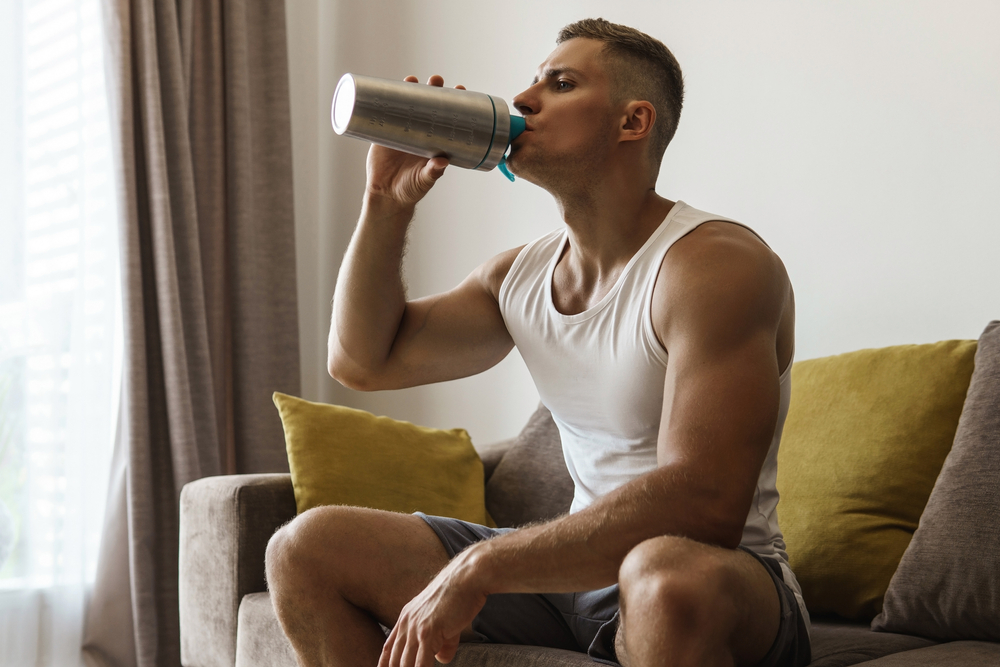
How to Choose the Right Pre-Workout Supplement
There are a lot of different supplements out there, so how do you know which one to choose? Unfortunately, since the FDA doesn’t regulate supplements, studies have found that dosages and ingredients aren’t always accurate. Some supplements can contain undisclosed ingredients masked behind “proprietary blends.”
To protect yourself, look for pre-workouts with the ISSN that have ingredients that have strong evidence of safety and effectiveness. It’s also smart to skip supplements that haven’t been tested by a third party, like U.S. Pharmacopeia (USP), NSF International, or ConsumerLab. You should also avoid pre-workouts with ingredients that don’t actually help you, including:
- Additives
- Artificial sweeteners
- Emulsifiers
- Excess caffeine
- Steroids
- Sugar alcohols
Remember that the FDA has not reviewed pre-workout supplements for safety or effectiveness, so it’s best to talk to your doctor or dietitian before using them. If you decide to take them, stick to the smallest dosage to see how your body reacts.
When and How to Take Pre-Workout for Optimal Results
If your doctor or dietitian has approved pre-workouts for you, take them about 20-30 minutes before your workout. This gives your body time to process the supplements so they can provide the benefits you’re after. And what do pre-workout supplements do when you take them correctly? If you take them at the right intervals before you work out and take them consistently, the beneficial ingredients can build up in your body so that your body can use them effectively. It may take a couple of weeks, but you should notice improvement in your energy, endurance, and recovery.
Most importantly, pay attention to your body once you start taking pre-workouts, and never take more than the recommended dosage. If you start experiencing any strange side effects, stop taking the supplements immediately and talk to your doctor. So, what does pre-workout do if you use too much?
Potential Side Effects and How to Avoid Them
Unfortunately, because supplements aren’t well-regulated, side effects are not uncommon with pre-workout supplements. One study found that 54% of participants reported side effects after using pre-workouts, with females more likely to experience these side effects despite being less likely to use excess dosages, including:
- Blood sugar changes
- Diarrhea
- Digestive symptoms
- Heart abnormalities
- High blood pressure
- Leaky gut
- Nausea
- Skin reactions
- Tingling in your arms and legs
How can you avoid these side effects, which can range from unpleasant to downright dangerous? Here’s what to do.
Use Third-Party Tested Products
Make sure your pre-workouts have been tested by one of the credible third parties listed above. This ensures transparency about ingredients or dosages, giving you peace of mind that it doesn’t have undisclosed or unsafe amounts that could be hazardous to your health.
Stick to the Recommended Dose
Never use more pre-workout than is recommended on the label or by your doctor or dietician. It’s also a good idea to use it just once a day and not too close to bedtime, as the caffeine could keep you awake.
Don’t Use Other Supplements Simultaneously
It’s best to skip other supplements while using pre-workouts since you might accidentally get too much of a certain ingredient. If you want to use a different supplement simultaneously, talk to your doctor or dietician first to make sure it’s safe.
Don’t Ignore Your Diet
Your pre-workouts (and your body in general!) will work more effectively if you maintain a healthy diet rich in vitamins and nutrients. Eat before a workout so you have the energy you need. Many ingredients found in pre-workouts are naturally in healthy foods anyway, so a healthy diet may mean you don’t need the supplements at all.
Maximizing Your Workout: Is Pre-Workout Right for You?
So, what is a pre-workout supplement going to do for you? Pre-workouts are never necessary. However, if you do your research, choose a third-party tested product, and take only the recommended dosage, you could find that pre-workouts give you a boost when you want it. Be careful that you choose a product with the beneficial ingredients above, which are deemed safe and effective by the ISSN. Skip anything with additives or unfamiliar ingredients. And most importantly, talk to your doctor before beginning any pre-workout supplement regimen.
If you take a vetted product as recommended and pay close attention to how your body feels after taking it, you could enjoy some real benefits. Even while taking pre-workouts, make sure you continue to stay hydrated, eat a healthy diet, and get plenty of sleep so your body can access the resources it needs and recover well.