
SEARCH BLOG POSTS
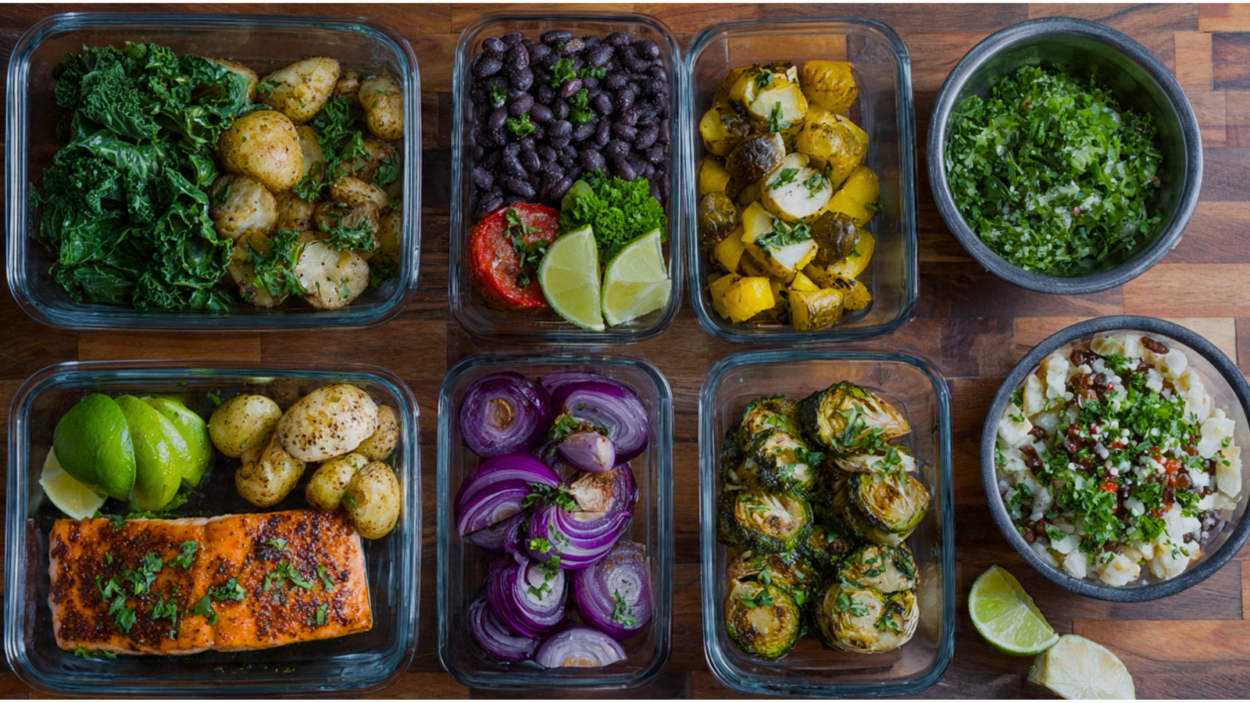
Meal Prep Tips for Beginners
If you have ever gone to work without a plan for your meals, you know exactly how the day usually ends. You go home starving, grab takeout, or eat whatever is quickest just to get through the day.
When it comes to meal prepping, it’s easy to feel overwhelmed. Between busy schedules, not knowing what to cook, or struggling to stay consistent, many people feel like meal prep is more work than it’s worth.
The truth of the matter is that most people don’t struggle with nutrition because they don’t care about their health. They struggle because they aren’t prepared.
In this guide to meal prep for beginners we will break down simple and realistic ways to overcome these barriers and show you how to get started with meal prep in a way that saves time, money, and stress while making healthy eating easier during the week.
What Is Meal Prepping?
Meal prepping simply means preparing food ahead of time so your meals are easier to manage during the week.
It does not need to be overwhelming or complicated. Meal prepping is about creating a simple system that supports your health instead of working against it. When your meals are planned and ready, you are more likely to eat consistently, fuel your body properly, and avoid relying on last minute options that leave you feeling tired, bloated, or unsatisfied.
Preparing food ahead of time helps take the stress out of eating and makes healthier choices the easier choice. Over time, this consistency supports better energy levels, improved focus, and overall well being throughout your week.
For many people, food prepping is less about perfection and more about creating structure that supports consistent, healthy eating.
How to Meal Prep for Beginners
If you are new to meal prep, this quick video walks through how to meal prep in a simple, realistic way.
If you are learning how to meal prep, the most important rule is to start small and keep it simple. Trying to prep every meal for the entire week often leads to burnout. The goal is to make eating easier, not more stressful.
Step 1: Find a Time to Prep That Fits Your Life
Meal prep does not have to mean packing every meal into containers all at once. If time is limited, focus on simply getting your food cooked and ready.
Having your proteins, carbohydrates, and fats prepared allows you to quickly assemble meals before heading to work. Even five minutes in the morning is enough when everything is already cooked.
Choose a realistic time each week to cook, whether that is one longer session or a few shorter ones. Most people find that Sundays work well because it sets them up for the week ahead. Others prefer one evening during the week or a short prep session every few days.
The goal is not perfection. The goal is making your meals easier when you need them most.
Meal prep is not just about food. Hydration is part of preparation too. Water is often forgotten during busy workdays, even though it plays a major role in energy, focus, and digestion. Filling a water bottle ahead of time and keeping it with your meals helps reduce cravings for soda or sugary drinks and supports steady energy throughout the day. When food and water are both planned, your body is far less likely to run on empty.
Step 2: Pick One Meal to Prep
For most beginners, lunch is the hardest meal to manage during the workday. It is often when people end up spending the most money or making rushed food choices.
Ask yourself:
- Which meal causes me the most stress?
- When do I usually end up buying food I didn’t plan for?
Choose that meal and focus on prepping it consistently. Mastering one meal builds confidence and creates momentum.
Step 3: Use a Simple Meal Formula
You do not need complicated recipes to eat well. A basic, balanced meal includes:
- Protein
- Carbohydrate
- Fat
- Optional vegetables
This structure helps support steady energy, better focus, and fewer cravings throughout the day.
Examples:
- Ground beef, rice, avocado
- Chicken, sweet potatoes, extra virgin olive oil
- Eggs, fruit, yogurt
Meals like these are easy to repeat, easy to adjust, and much more sustainable long term.
Step 4: Cook Once, Eat Multiple Times
One of the biggest mistakes beginners make is trying to cook something new every day. Instead, think in building blocks:
- One or two proteins
- One main carb source
- Source of fats
Examples:
- Ground beef and chicken
- Sweet potatoes or rice
- Avocado, butter, yogurt, or extra virgin olive oil
This approach saves time, reduces decision fatigue, and allows you to mix and match meals quickly during the week.
Step 5: Store Food Accessibly
Keep prepped food:
- In clear containers
- At eye level in the fridge
- Easy to grab
If food is hidden or difficult to access, it is far less likely to be eaten. Making healthy options visible and convenient increases consistency without requiring more discipline. This is also a good time to fill your water bottle so both your meals and hydration are ready to go.
Simple Grocery List for Meal Prep Beginners
You do not need a long or complicated grocery list to get started with meal prep. In fact, keeping your list simple makes the entire process easier and more sustainable.
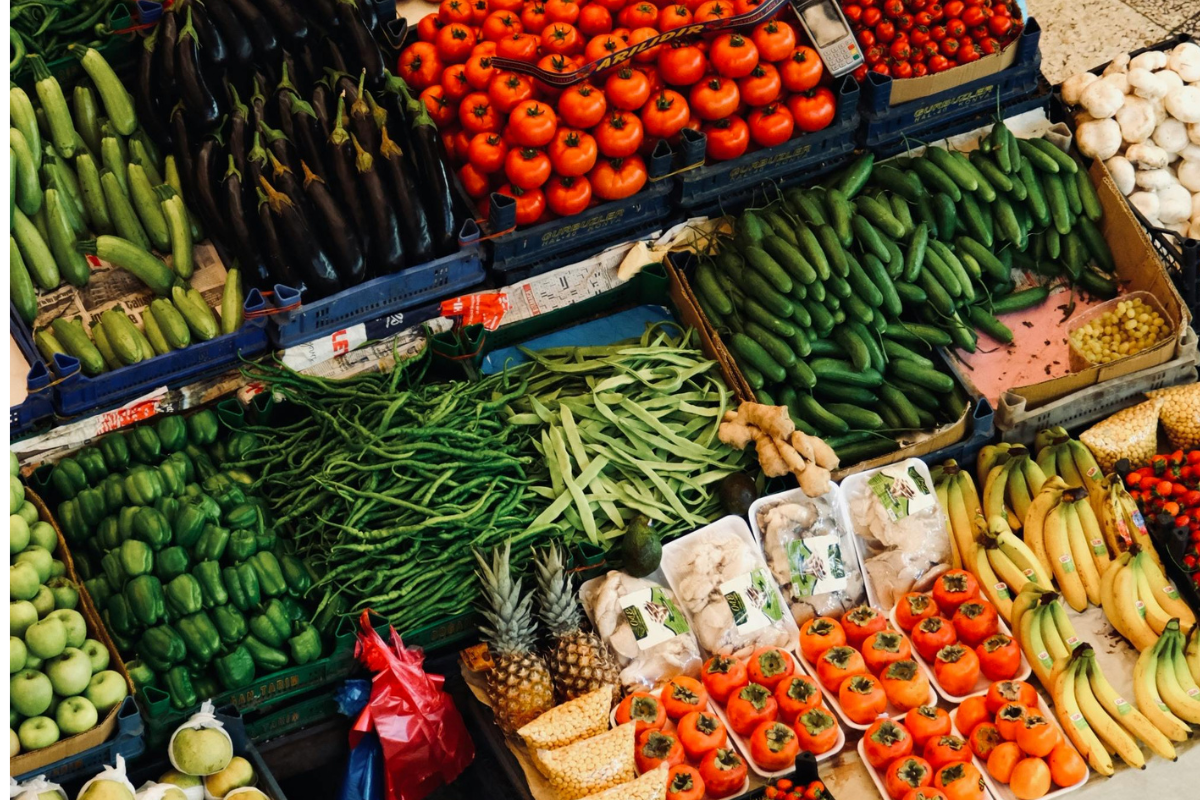 A variety of fresh produce options that can be used to build simple, balanced meals during the week.
Here is an example list for food prep. Start by choosing one or two options from each category:
Protein:
- Ground beef
- Chicken
- Eggs
- Yogurt
Carbohydrates:
- Rice
- Sweet potatoes
- Potatoes
- Fruit
Fats:
- Avocado
- Extra virgin olive oil
- Grass-fed butter
Optional Vegetables:
- Lettuce
- Carrots
- Green onion
Choosing vegetables that support recovery and performance can make a big difference. If you want ideas, check out our guide on the best vegetables for muscle growth.
Spices:
- Thyme
- Rosemary
- Sage
- Salt
- Pepper
- Any other of your preferred spices
Simple Snacks:
- Fresh fruit
- Dried fruit
- Yogurt
- Hard boiled eggs
- Cheese
Optional Drinks and Hydration:
- Spring water
- Sparkling water
- Fruit juice not from concentrate
This list gives you enough flexibility to build balanced meals without spending hours in the kitchen or the grocery store.
Why Meal Prepping Matters For Your Health
When people do not plan their meals, they rarely skip eating altogether. Instead, they default to what is most convenient. This often looks like granola bars, chips, packaged snacks, or soda. These options are quick, but they are typically high in empty calories and low in the nutrients your body actually needs.
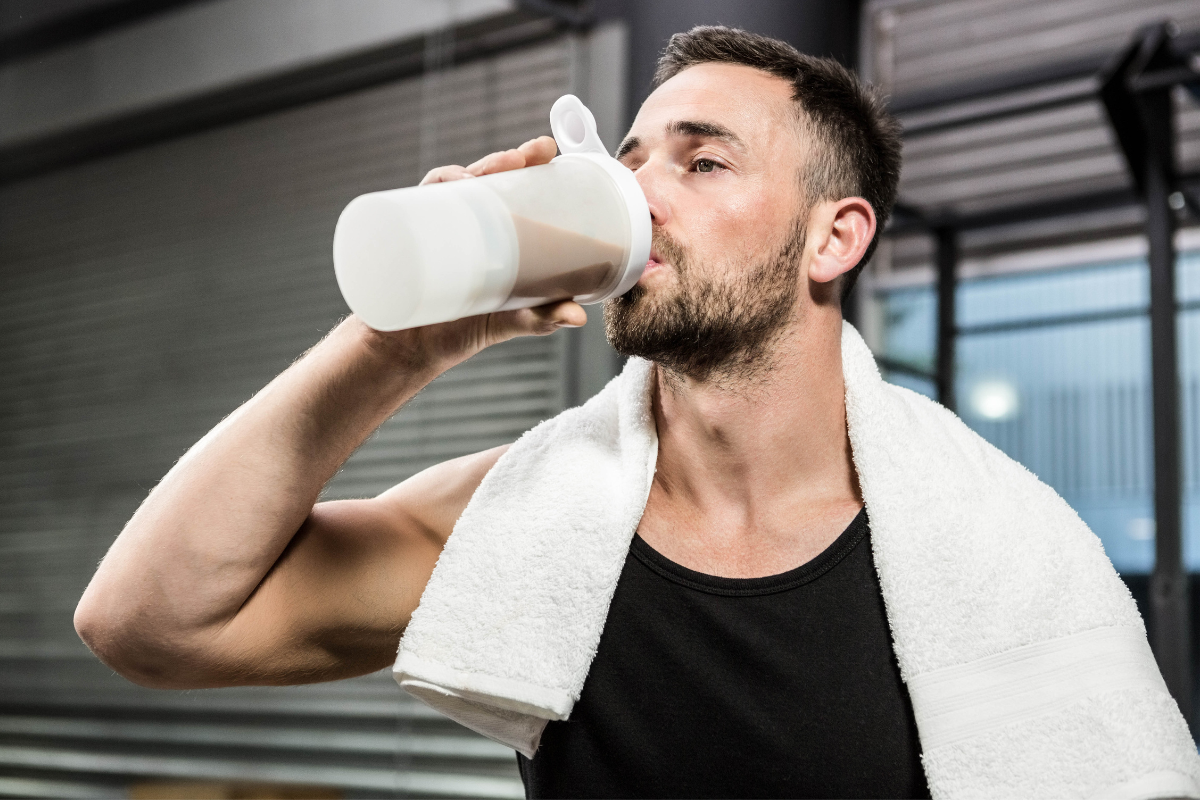
Prepared nutrition helps support recovery, energy levels, and consistent fueling throughout the day.
Over time, relying on processed convenience foods can lead to energy crashes, constant hunger, cravings, and difficulty staying focused throughout the day. This is not a lack of discipline. It is what happens when food is not prepared ahead of time.
Meal prep for beginners is not about eating perfectly or cutting out every packaged food. It is about making real meals easier to access than ultra processed options. When food prepping is done ahead of time, you are far more likely to eat balanced meals that support steady energy and better overall health.
Meal prepping supports your health by:
- Easier access to real meals instead of convenience foods
- More consistent energy throughout the day
- Better appetite and blood sugar regulation
- Fewer cravings caused by skipped meals or dehydration
- Improved focus and mental clarity
- Less daily stress around food decisions
Consistent meals help regulate appetite, support stable blood sugar levels, and reduce the urge to snack throughout the day. Knowing how to meal prep gives you structure so you are not making food decisions when you are already tired or stressed. For those trying to build muscle or gain weight, meal prep also makes it easier to eat enough consistently. We break this down further in our blog on how to increase your calorie intake.
Hydration plays an important role alongside food prep. Many people mistake thirst for hunger and reach for snacks or soda when what their body actually needs is water. Bringing water with you and making hydration part of your routine supports digestion, focus, and physical performance throughout the day.
Food prep and hydration work together as part of the same routine. When meals and water are prepared ahead of time, you remove unnecessary stress and give your body the fuel it needs to function well. Small, consistent preparation can lead to better energy, improved focus, and a healthier routine that fits into real life.
Learning how to meal prep helps reduce reliance on ultra processed foods by making nourishing meals easier to access when convenience would otherwise win.
How to Stay Consistent With Meal Prep for Beginners
One of the biggest challenges with meal prep for beginners is staying consistent over time. Learning how to meal prep is not about being perfect. It is about building habits that make eating well easier during busy weeks.
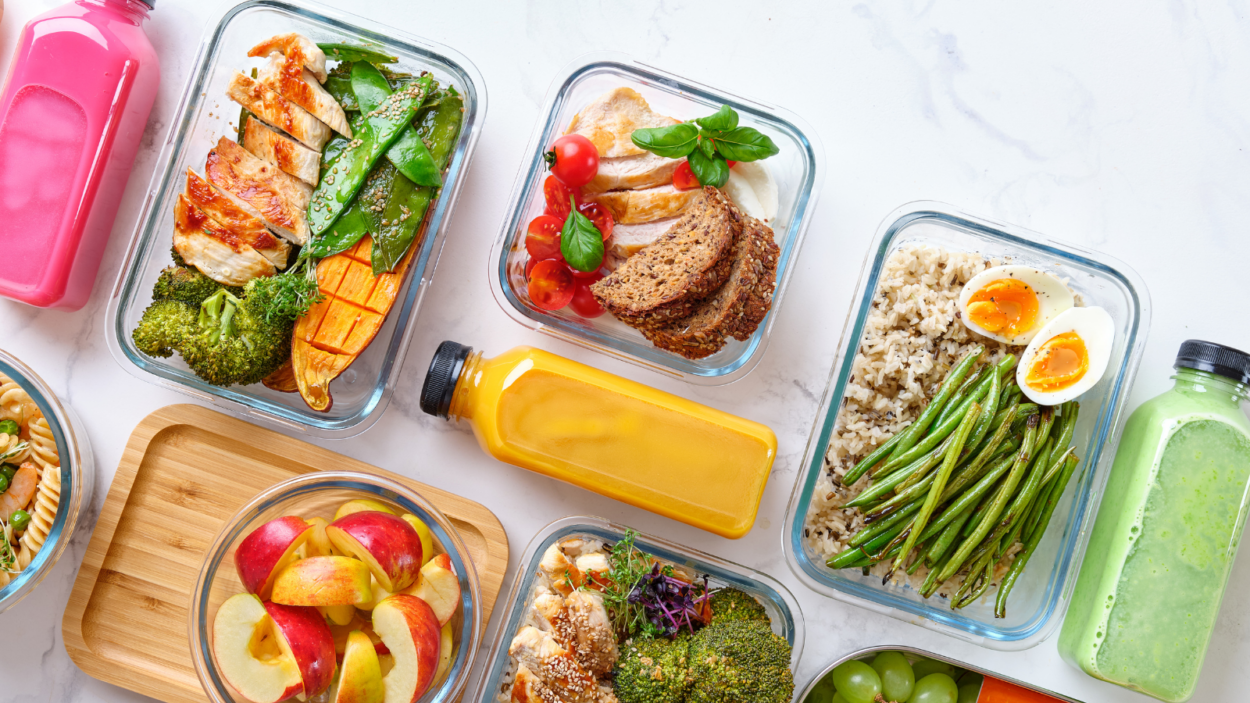
Having meals prepped and ready makes it easier to stay consistent with healthy eating during busy weeks.
Food prepping works best when it feels realistic and flexible. Some weeks you may prep several meals ahead of time. Other weeks you may only prepare a few basics, snacks, or hydration. Both approaches still support your health.
To make food prepping sustainable, focus on a few simple habits:
- Prep meals you actually enjoy eating
- Repeat simple foods instead of chasing variety
- Plan for busy or imperfect weeks
- Keep meals, snacks, and water easy to access
- Adjust your prep instead of quitting altogether
If you are new to food prepping, start with small wins. Preparing even one or two meals ahead of time can reduce stress and improve consistency.
Understanding how to meal prep means learning flexibility. If you miss a prep day or run out of food early, it does not mean meal prep has failed. You might prep again midweek, grab simple grocery items, or rely on prepared snacks and hydration until your next session.
Pairing meal prep with habits you already have can also help. Cooking while listening to a podcast or music can make food prepping feel less like a chore and more like part of your routine.
Over time, staying consistent with meal prep for beginners leads to better energy, fewer cravings, and less stress around meals. Small, consistent preparation adds up to healthier habits that fit into real life.